



<p>By Becky Momodu</p>
<p><strong>The Federal Ministry of Livestock Development has trained 200 sheep and goat farmers in Kano State on improved livestock production practices as part of efforts to boost productivity, strengthen food security and create sustainable livelihoods.</strong></p><p class="ari-link"><strong>Read also:</strong> <a href="https://sparknewsdaily.com.ng/group-calls-for-due-diligence-in-execution-of-the-nigeria-morocco-gas-pipeline-project/">Group Calls for Due Diligence in Execution of the Nigeria-Morocco Gas Pipeline Project </a></p>
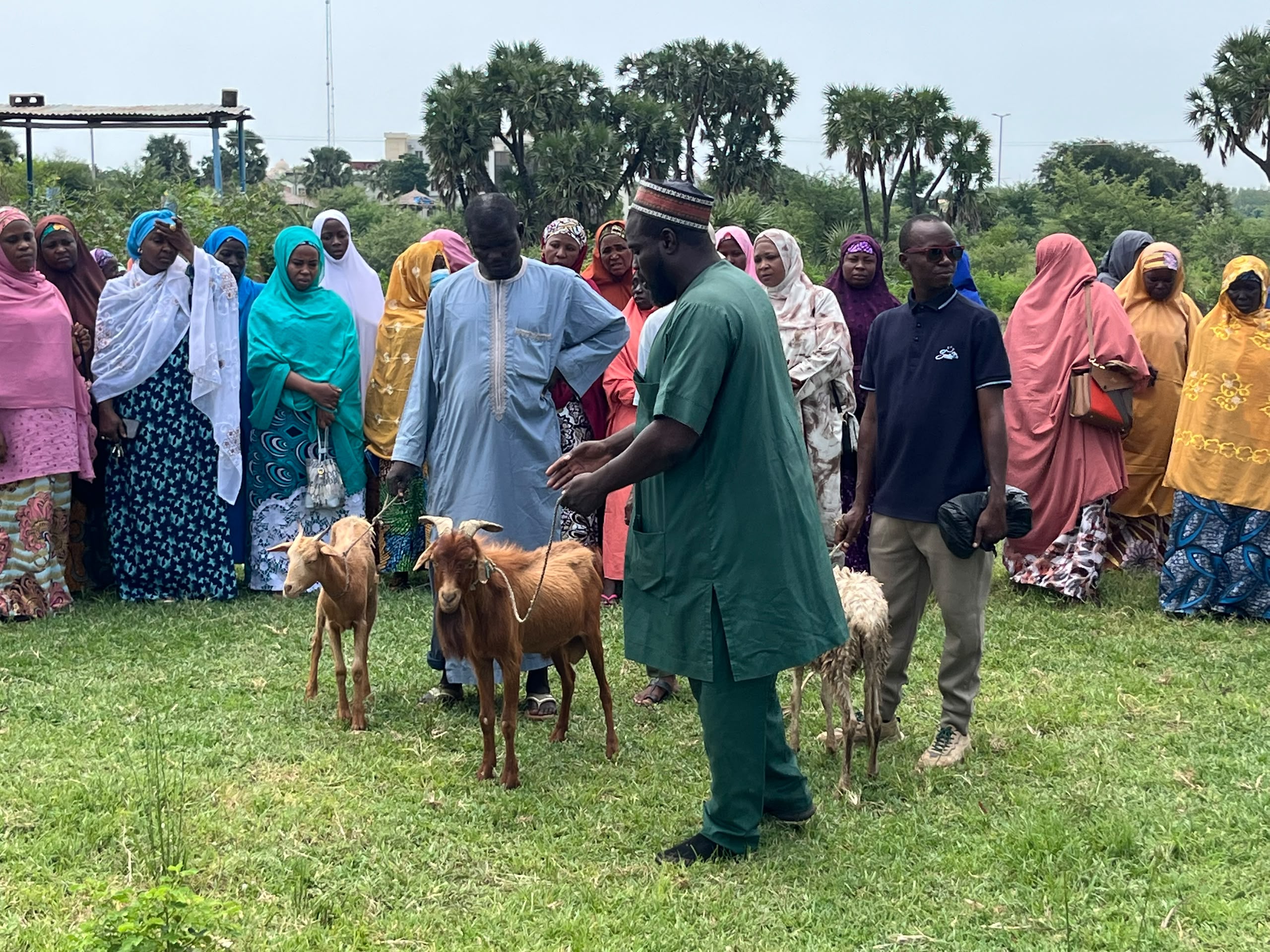
<p>The three-day training, held from September 17 to 19, brought together beneficiaries from Fagge, Tarauni and Gwale Local Government Areas.</p>
<p><img class="alignnone size-medium wp-image-19243" title="IMG-20260923-WA0268" src="https://sparknewsdaily.com.ng/wp-content/uploads/IMG-20260923-WA0268-300x225.jpg" alt="IMG 20260923 WA0268" width="300" height="225" /></p>
<p>The participants were trained in animal management, feeding, breeding, healthcare and other husbandry practices aimed at improving livestock productivity and reducing losses.</p>
<p>Speaking at the programme, the Permanent Secretary of the ministry, Dr Chinyere Ijeoma Akujobi, represented by the Director, Department of Ruminant and Monogastric Development, Victor Egbon, said livestock development went beyond providing farmers with animals.</p>
<p>She stressed the importance of equipping farmers with the knowledge and skills required to manage livestock effectively and maximise the benefits of government interventions.</p>
<p>Akujobi said the sheep and goat subsector remained important to Nigeria’s livestock economy because small ruminants were accessible to many households, required relatively modest start-up investment and provided meat, milk, skin and other products that contribute to household nutrition and income.</p><p class="ari-link"><strong>Read also:</strong> <a href="https://sparknewsdaily.com.ng/efcc-broadens-probe-into-insurance-recapitalisation-as-calls-grow-for-naicom-commissioner-to-step-aside/">EFCC Broadens Probe Into Insurance Recapitalisation as Calls Grow for NAICOM Commissioner to Step Aside</a></p></p>
<p>She said the ministry considered small-ruminant development a strategic component of efforts to enhance food security, generate employment, reduce poverty, promote women’s economic participation, support youth entrepreneurship and diversify the economy.</p>
<p>According to her, the training combined theoretical sessions with practical demonstrations on feeding, breeding, animal health and general husbandry to enable beneficiaries improve animal health, productivity and income.</p>
<p>The Permanent Secretary, Kano State Ministry of Livestock Development, Hajiya Rabi Ibrahim Waya, commended the Federal Ministry for the intervention, saying the state government would undertake similar initiatives to strengthen livestock production.</p>
<p>Waya said the state would continue to explore opportunities to help farmers apply the knowledge and productive inputs provided to build sustainable economic activities.</p>
<p>The programme also featured contributions from the National Sheep and Goat Development Association of Nigeria (NASHGODAN) and Africa Women in Animal Resources, Farming and Agribusiness Network, represented by Aisha Maidawa.</p>
<p>One of the beneficiaries, 33-year-old Afrahsiyya Idris, a person living with disability, was among the participants, highlighting the potential of livestock farming to provide inclusive livelihood opportunities.</p>
<p class="ari-link"><strong>Read also:</strong> <a href="https://sparknewsdaily.com.ng/ballon-dor-2026-two-african-goalkeepers-make-top-10/">Ballon d’Or 2026: Two African goalkeepers make Top 10</a></p><p>At the end of the training, the 200 beneficiaries received sheep and goats, animal feeds and stipends to support them in applying the skills acquired.</p>
<p>The ministry said the intervention was expected to improve beneficiaries’ farming activities, increase household income and contribute to higher sheep and goat production in Kano State.</p>

Livestock Ministry Trains 200 Kano Farmers on Sheep, Goat Production

Related Posts


