

By Becky Momodu
Nigeria has pledged to sustain increased domestic financing for education through 2030 while calling for stronger international support to complement efforts to transform the country’s education system.
Read also: Oyetola Ends 20 Years of Delay in CVFF Disbursement, Orders Fast-Track for Shipowners
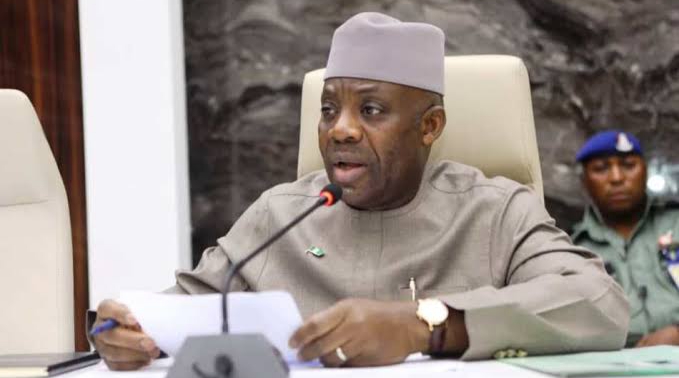
Minister of Education, Dr Maruf Tunji Alausa, made the call in New York while delivering Nigeria’s opening remarks at the Global Partnership for Education (GPE) Multiply Possibility financing campaign, which Nigeria is co-hosting with Italy.
Alausa said Nigeria’s commitment to education financing reflected the Federal Government’s determination to expand access, reduce cost barriers, strengthen skills development and harness digital technology to improve learning outcomes.
The minister said the country’s domestic financing commitments bring together updated Federal Government expenditure projections and financing commitments at the state level, taking into account Nigeria’s federal structure and the need to mobilise resources for education across all levels of government.

He said the commitment formed part of a broader effort by GPE partner countries, noting that 50 countries had collectively committed more than $400 billion in domestic financing for education through 2030.
Read also: Only State Police Bill Transmitted to 36 State Assemblies – NASS Clarifies
According to Alausa, however, domestic efforts must be matched by effective international support if countries are to achieve sustainable transformation in their education systems.
He urged governments, development partners, philanthropic organisations and the private sector to maintain the momentum generated by the Multiply Possibility campaign and support the forthcoming High-Level Financing Event.
The minister said international partnerships remained important in helping countries translate national education priorities and financial commitments into stronger systems and better outcomes for children and young people.
He said Nigeria accepted the role of co-host because of its belief that education and skills development were critical investments for harnessing the potential of its young population and building resilient economies.
Alausa added that Nigeria’s advocacy for greater global investment was being backed by reforms at home under President Bola Ahmed Tinubu’s administration, including measures to expand access to education, improve affordability, strengthen skills development and deploy digital solutions.
Read also: NSCDC Sets to Investigate Death of Suspected Illegal Miners in Niger
He said the ultimate measure of the financing commitments should be their impact in classrooms and the opportunities created for children and young people.
The minister reaffirmed Nigeria’s commitment to sustaining reforms aimed at strengthening education, improving learning and skills development, and preparing young Nigerians to contribute to a more prosperous and peaceful country.