

By Matthew Okon
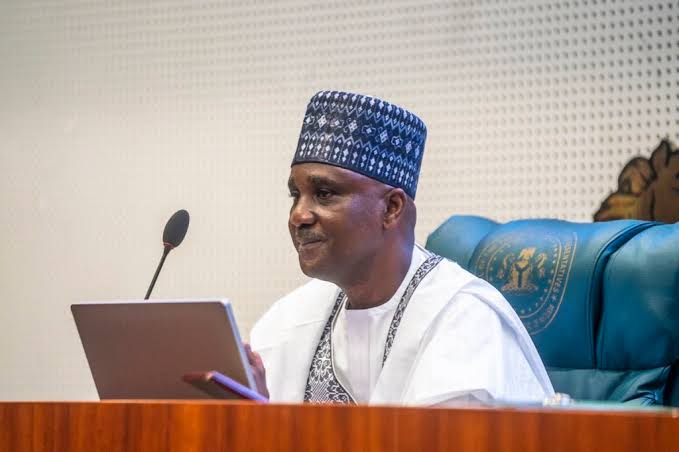
The Speaker of the House of Representatives, Rt. Hon. Abbas Tajudeen, has proposed sweeping reforms in Nigeria’s real estate sector, including digital property identification, centralised verification systems and stronger safeguards for investors and homebuyers.
Read also: Nigeria, Germany Move to Expand Steel, Mineral Processing Partnership
Abbas said the reforms would address systemic failures in the sector, which he noted increase housing costs, discourage investment and create opportunities for fraud.
The Speaker made the proposals on Monday in Abuja while delivering a keynote address at a stakeholders’ conference on the proposed National Real Estate Regulatory Authority, organised by his office in collaboration with the House Committee on Housing and Habitat.
Speaking on the theme, ‘One Vision, One Ecosystem, One National Housing and Real Estate Plan,’ Abbas said Nigeria’s major challenge was not a shortage of property but a lack of trust in property transactions.

“Nigeria does not lack property. Nigeria lacks enough trust in property,” he said.
He identified difficulties in verifying land ownership, fragmented approval processes, disputed property titles and fraudulent transactions as some of the challenges undermining confidence in the real estate market.
“These failures increase housing costs, discourage investment, and reward fraud. The purpose of regulation must therefore be clear.
“We are not here to create another agency. We are here to protect property, protect capital, and protect citizens. We are here to build a trusted market that attracts investment and delivers more affordable homes,” he stated.
Abbas proposed a system of Decentralised Identity Verification for Land Titles, linking each property to its state registry, survey records, registered owner, planning status and existing encumbrances.
He explained that the system would enable verification across institutions while allowing states to retain their constitutional authority over land administration.
Read also: ADP Presidential Primary Faces Court Challenge as Chukwuka Seeks Aliyu’s Disqualification
According to him, a property title that cannot be verified cannot adequately support access to credit or attract investment.
The Speaker also called for the establishment of a verifiable register of regulated developers, estate agents and projects under the proposed regulatory authority.
He said prospective buyers should be able to confirm the identity, licence, project approvals and compliance records of developers before making payments.
On off-plan property developments, Abbas proposed that buyers’ funds should be kept in protected accounts, with withdrawals tied to verified construction milestones to prevent fraud and protect purchasers.
He further advocated predictable approval timelines, transparent fees and clear appeal procedures to ensure that regulation does not become an obstacle to genuine investors and developers.
Addressing technological innovation in the sector, the Speaker proposed a Legislative Sandbox Framework for Property Technology (PropTech), which would allow approved businesses to test innovative products within a controlled environment.
He said the framework should accommodate electronic conveyancing, digital escrow, automated compliance checks, remote verification and emerging housing finance models.
However, he warned that the initiative must not provide cover for fraudulent activities or exempt participants from consumer protection, data protection and anti-money laundering regulations.
Abbas also called for clearer coordination among existing regulatory institutions, including the Securities and Exchange Commission, Central Bank of Nigeria, Federal Competition and Consumer Protection Commission, Economic and Financial Crimes Commission and state land administration authorities.
Read also: NERC Reaffirms Commitment to Electricity Sector Growth as Nigeria Marks 66th Independence
He stressed that the proposed authority should coordinate existing institutions rather than duplicate their responsibilities.
According to him, effective enforcement and interconnected records are essential to building confidence, protecting investments and making housing more accessible to Nigerians.