

By Prevail Inegbenose
The Federal Government has stepped up efforts to improve electricity supply with plans to establish dedicated Energy Zones capable of delivering reliable 24-hour power to homes, businesses and industries in Nigeria’s major high-demand areas.
Read also: Shehu Sani to Opposition: Stop Begging US, EU to Validate Tinubu Attacks
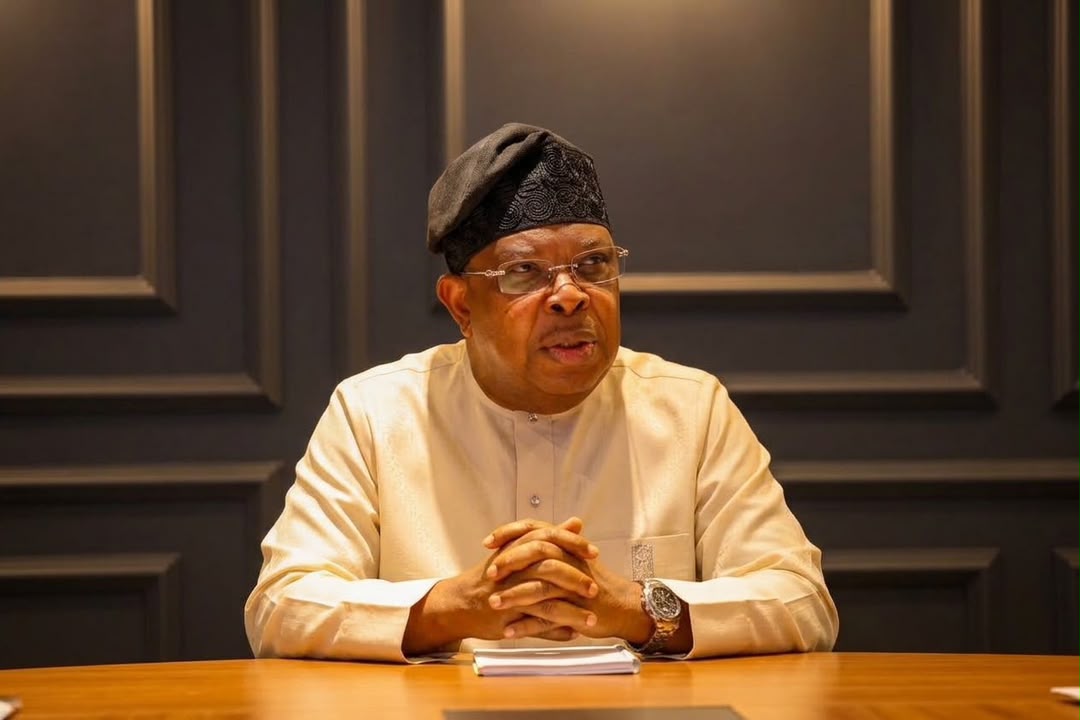
The Minister of Power, Joseph Tegbe, disclosed this during a strategic closed-door meeting with the leadership of selected electricity distribution companies (DisCos) as part of efforts to address persistent challenges across the power sector.
The proposed Energy Zones will initially target three major corridors: the Lagos axis, Abuja-Kaduna-Kano and Enugu-Port Harcourt.
Tegbe said the challenges confronting the electricity sector extend beyond generation and transmission to the distribution end, particularly the capacity of DisCos to take up available power and deliver it efficiently to consumers.

Read also: 2027: Sen. Yari Can Deliver North’s Grassroots Votes for Tinubu – BAT-IG Convener
He said the Energy Zones are intended to bridge the gap, unlock commercial and industrial demand, and improve the revenue and collection capacity of distribution companies.
The minister also reaffirmed the Federal Government’s commitment to expanding infrastructure in areas with high electricity demand to ensure that power supply keeps pace with the needs of Nigeria’s growing economy.
The meeting, according to the ministry, is part of Tegbe’s commitment since assuming office to adopt a disciplined and sequenced approach to resolving the challenges confronting the power sector.
Read also: FRSC Mobile Court Convicts Motorist, Suspends Licence Over Assault on Marshal
The initiative is also aligned with the Renewed Hope Agenda of President Bola Ahmed Tinubu, which places reliable electricity supply at the centre of economic growth, industrialisation and job creation.
The meeting was attended by representatives of the Abuja Electricity Distribution Company (AEDC), Ikeja Electric, Eko Power, Ibadan Electricity Distribution Company (IBEDC) and Sahara Energy Group.